
As winter fades and the Costa del Sol begins to wake up, there is one week that truly marks the transition into spring and the upcoming summer season: Semana Santa.
In 2026, Semana Santa takes place from 29 March to 5 April, transforming Málaga and its surrounding towns into a stage of tradition, culture and unforgettable atmosphere. For residents and visitors alike—whether local or international, from Northern Europe, the UK, the Netherlands or Poland—this is one of the most powerful and authentic experiences Andalusia has to offer.
Experiencing Semana Santa in Málaga city even once is enough to understand why it is considered one of Spain’s most important cultural events. Throughout the week, the historic centre becomes the setting for an extraordinary sequence of processions, where tradition and precision come together on a monumental scale. These are not quiet parades, but powerful public expressions of faith and heritage. Huge elaborately decorated floats, known as tronos, are carried through the streets by hundreds of participants, moving slowly through crowds that line every corner of the city.
The figures carried on these floats—depictions of Christ and the Virgin Mary—are often centuries old and deeply symbolic. Some moments stand out in particular, such as the arrival of the Spanish Legion on Maundy Thursday, when they accompany the Cristo de la Buena Muerte, or the atmosphere of Good Friday night, when the city becomes more subdued and reflective. Another unique Málaga tradition is the ceremonial release of a prisoner, a custom that continues to draw attention each year.
All of these processions follow an official route through the heart of the city, passing iconic locations such as Calle Larios, Plaza de la Constitución and the area around the Cathedral. During this week, these streets are transformed into a moving theatre, with stands, seating areas and thousands of spectators creating an atmosphere that is both organised and spontaneous at the same time.
 What truly defines Semana Santa in Málaga, however, is not only the processions themselves, but the ambience that surrounds them. The city feels alive at all hours, with the sound of drums echoing through the streets and the scent of incense lingering in the evening air. Applause breaks out as a float passes, and it is common to see locals dressed elegantly, gathering with friends and family before or after a procession. Bars and restaurants are full, terraces are busy, and the entire city seems to move in rhythm with the events taking place. There is a unique balance between solemnity and social life, where a deeply traditional moment can be followed by a relaxed dinner just steps away. For many international residents, this week becomes their first true connection with Andalusian culture.
Beyond Málaga city, the experience of Semana Santa changes character as you move along the coast. In places like Fuengirola and Benalmádena, the celebrations are smaller and more intimate, offering a different perspective on the same traditions. The processions here are easier to follow, less crowded and often feel more accessible, especially for families or those discovering Semana Santa for the first time. There is a strong sense of community, where locals and international residents come together, and where the pace is more relaxed without losing any of the meaning behind the celebrations.
If you travel inland to the white villages of the Málaga province, Semana Santa takes on an even more personal dimension. In towns such as Mijas Pueblo, Alhaurín or Coín, traditions are deeply rooted in local identity and often passed down through generations. The scale may be smaller, but the emotion is no less powerful. Candlelit processions, quieter streets and the participation of entire communities create an atmosphere that feels authentic and unchanged over time. For many, this contrast between the grandeur of Málaga city and the intimacy of the rural villages is one of the most remarkable aspects of the week.
Semana Santa is not only a cultural highlight; it also marks an important turning point for life on the Costa del Sol. It signals the beginning of the high season, when beach restaurants start to reopen, terraces fill up and the coastline gradually comes back to life. There is a noticeable shift in energy, as more visitors arrive and activity increases across the region. For the property market, this period often brings renewed interest, with international buyers returning and viewings picking up as the spring season begins.
For many of our clients, Semana Santa is more than just a holiday—it is a moment when they truly experience what life on the Costa del Sol is about. It offers a deeper connection to the culture of the region, a chance to explore Málaga beyond its beaches and a glimpse of the vibrant lifestyle that defines the months ahead.
In the end, Semana Santa in Málaga province is a week of contrasts. It is both grand and intimate, solemn and social, historic and full of life. From the powerful processions in Málaga city to the quieter, more personal celebrations along the coast and inland, it offers something for everyone. And as the final processions pass on Easter Sunday, one thing is clear: the Costa del Sol is ready for summer.
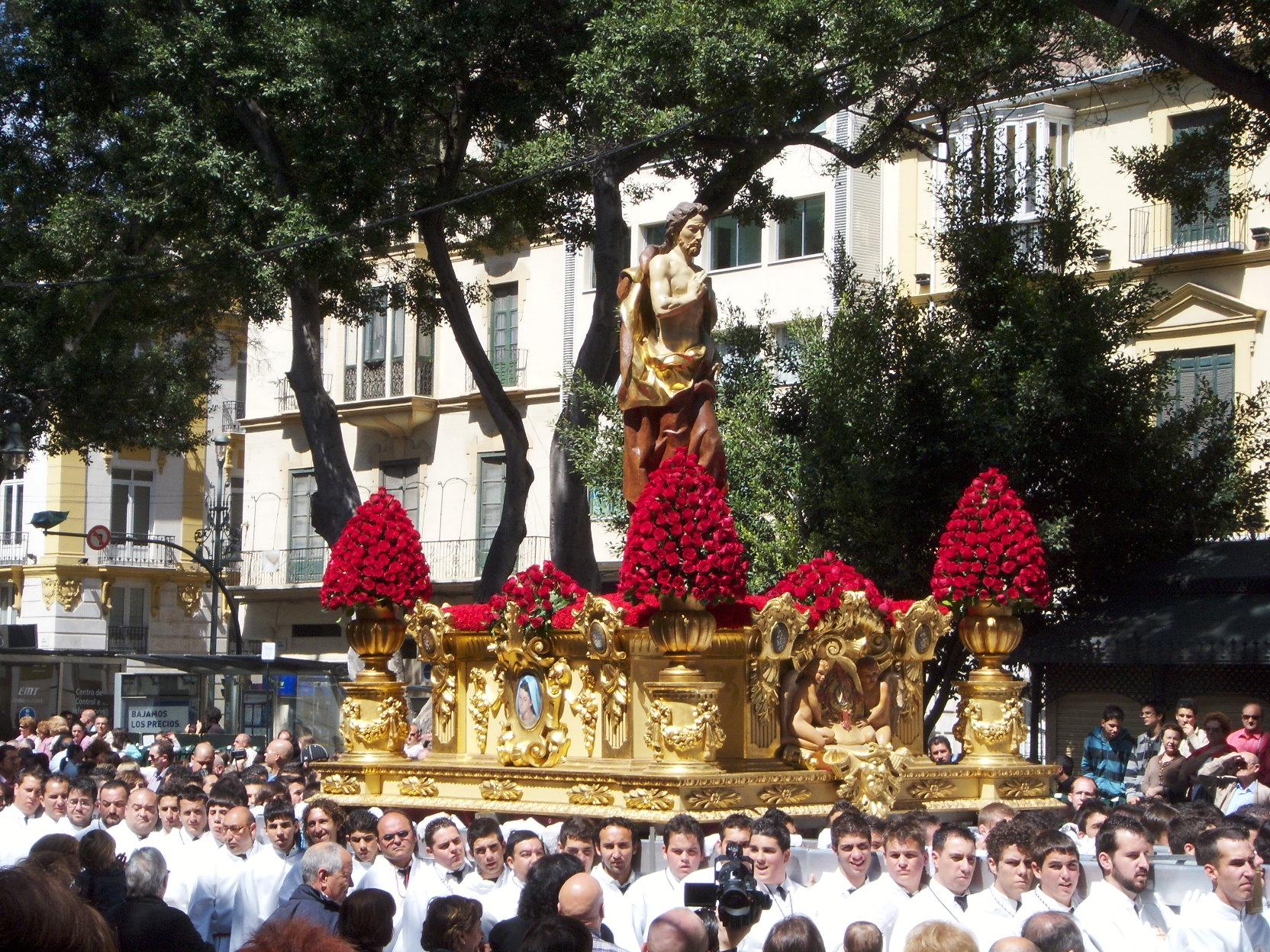
Photo: Wikimedia Commons
Discover an exclusive collection of just 35 brand-new apartments, perfectly positioned to overlook the Mediterranean from…
Located in the prestigious and highly sought-after El Higuerón community, this brand-new, fully furnished two-bedroom…
Some properties are all about location – and this is certainly one of them. Set on the top floor of a well-kept community…